Dash Cameras: Why and where they are needed.
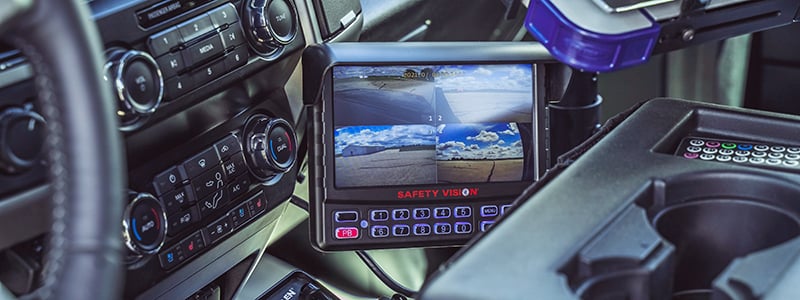
As we all know, rear view cameras have become the norm and almost a standard option on every tow truck or car carrier build. Have you investigated a dash or forward-facing camera system?
I use the term system as a dash camera always has some form of recording device—whether it be a removable SD card, in-truck recording device, cloud-based systems and, in some cases, a combination of recording formats.
I think we are all adult enough to see both sides of the camera debate, showing our operator’s innocence and/or involvement in the situation. Accidents happen–even to the best of fleets drivers–and we need to be willing to accept the truth as it is. Let’s look at some terms and options.
Dash Cameras
In my opinion, a dash camera is a generic term implying the camera is mounted on the dash. But is the camera forward-facing—recording traffic lights, road signage (speed, stop, school)—or driver-facing?
Most companies going the “Dash Camera” route install forward-facing cameras to recreate the incident for both law enforcement and all involved insurance companies and parties. As little as $250 will get you into a no frills forward-facing camera without options.
Entry-level cameras can usually be keyed to power on or 24/7 always on recording, depending on installation setup. Keep in mind, cameras with an SD card for storage will have limited capacity; and if your camera is 24/7, will the camera overwrite the date before you know about the claim? A strong case can be made here for cloud-based systems with zero risk of operator tampering.
Driver or In-Cab Cameras
Many companies have added a driver camera to their program for varying reasons. Is or was my operator distracted or drowsy? Was the operator cordial, compassionate or belligerent with the customer? Was the customer belligerent with the driver? A driver camera helps answer these questions.
Rear or Side-Facing Cameras
Many companies have opted to install cameras under the mirrors looking into the rear wheel or bumper areas as a blind-spot camera. These blind-spot cameras are extremely important and invaluable to the operator for lane changes, congested traffic or pedestrian involved scenarios.
I’ll open a door here. If your rear-facing camera is set to record an event (think PTO on), would it “see all, record all” and give you a digital video record of each car or truck towed? Record pre-existing and post-towing condition of the vehicle. This video could be priceless when a customer is standing in your lobby claiming damage and to help limit those claims and out-of-pocket expenses
Recording
I touched on cloud-based and would like to think it is the best option in most fleets. Most cloud systems work in partnership with a cell phone provider, and in the metro markets, your options are endless. The beauty of these systems is that the video is always at your disposal. Of course, “see terms and conditions of your plan for limitations.”
With a cloud-based system, no one will be held responsible to run out to the truck and change the SD card. Should you have an incident, you can save the recording to use as you see fit. Most cloud-based systems have a tattle-tail feature built in, be it standard or an option. This could be as simple as a “Off Line Notification” be it a battery disconnect, operator tampering or bad cell area. Some systems record heavy braking and signal a flag time stamp event to prompt your review of driver habits or maybe a “near miss.” We all know a larger number of heavy braking and near-miss events usually don’t end well.
Have you thought about the GPS reporting capabilities of a cloud-based system? A good system will also give you a digital time and location stamp, which could come in handy for a missed billing mileage or recovery times and never will an “off-the-books or cash call” go unnoticed.
Review your many options regarding cloud-based storage, from a per truck plan to a company plan. All of the plans will have some form of data cap, at which time your new data will push the oldest data out. It will be your job to review the incidents and save as you see fit.
In-truck data storage capacity is almost a thing of the past. If you get the mental image of a DVD or VHS tape here, you are correct. Most of the good, latter-generation systems use a digital hard drive and reside under the seat in some fashion. These systems would not alert you to offline, heavy braking nor a near-miss situations nor those off-the-books cash calls.
All recording systems—whether cloud-based or in truck—have a common hub or connection point. All of the cameras will need power, ground and a video cable wired back to the common hub. Cloud-based systems use this hub to store or buffer the data and upload it to the cloud when back in a good signal area.
GoPro or Personal Body Cameras
In today’s YouTube, TikTok or ‘Influencer Era’, don’t for a minute think you're not being recorded. Many operators wear personal body cameras daily or when doing repos, drug impounds or higher risk events. These cameras can become a powerful tool in protecting your company and person from accusations after an event.
As for GoPro type cameras, entire recoveries are being recorded from multiple angles and vantage points to both help with billing by showing pre-recovery damage, carnage, tools used, staffing and difficulty. These videos could also be used for post-incident training, insurance claims and court litigations.
License Plate Camera
This post might be remiss if we didn’t touch on license plate cameras used in the towing and recovery business as we all know for repossessions and by law enforcement to find stolen vehicles. Many towing companies and operators will tell you if the target is traveling in the opposite direction, by the time you safely turn around, you can’t find the car. If the target car passes you and you're loaded, again you will probably miss the load. What it does give you is an area to come back to search or to relay the target to a partner in the area. Some operators have reported to circling through the parking lot and grabbing the car with a two-car carrier, or dropping the car on the hook and grabbing the new find, or sitting on it until a partner arrives.
Maintenance
These camera systems are nearly trouble-free. They work or they don’t. It becomes a process of deduction. Is only one truck offline or the entire fleet? No video from the source/truck at all? Do you have power to the hub? A missing camera? Swap some wires on the hub. Still have the same camera not working? It’s a camera or camera lead. The same screen is missing? It’s a bad hub. A simple process of deduction.
Could you see a payback to your company through the implementation, integration and or upgrade to your cameras? Improved operator skills through training and recognition? Could your video have a value to a police department or claimant in a litigation?
Insurance
Will a system lower your insurance cost, probably not directly as a line item on your premium? I have firsthand knowledge of a company whose insurance claims and DOT rating was not favorable due to speeding and accidents. Their insurance company suggested driver and forward-facing cameras. This company installed forward-facing only tied into the trucks diagnostic port. They opted to not put in driver-facing cameras, fearing pushbacks and acceptance. The camera system they chose flags the video and audibly alerts the driver for over speed (set by company) and keeps alerting the driver until he or she slows down.
The system also has a gyro in it and flags the video for excessive braking and hard cornering. This company has reviewed the flags and used it during drivers reviews and training. Fewer accidents equal less out-of-pocket deductible, less loss work time, less truck out of service time. Net effect is their premium did not go down by line item, but their DOT safety rating improved, accidents went down and the drivers were actually happy with the cameras, as it proved innocence and reminded them to slow down.
I might suggest from an employer’s standpoint and with guidance from council whether you should have a company and employee policy as to the usage and dissemination of the video collected. Example: Employee posts a video or picture of an accident clearly showing something and now your best customer is no longer your customer. Is the body cam video yours or your employees and can or should they post it on their social page(s)?
Let’s use the camera systems as a coaching tool, both to reward those good habits and interactions as well as to train the marginal driver.