

Web Shackles
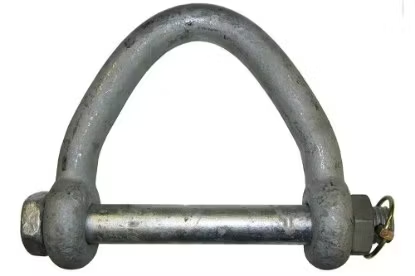
Web shackles are designed to connect straps and web slings securely. Their smooth design protects webbing while providing reliable load support. Built from durable materials, they withstand repeated use in tough conditions. Web shackles are used across towing, construction, and logistics industries.
Refine Your Search
- Brand
-
-
-
-
- Shackle Type
-
- Pin Type
-
-
-
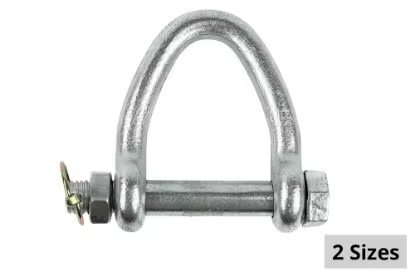
Zip's Web Shackle
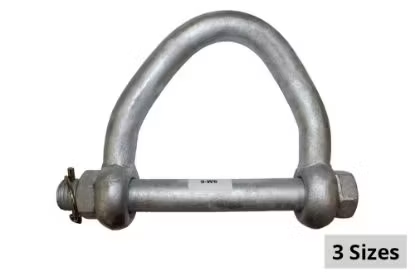
B/A Products Web Shackle Bolt Style
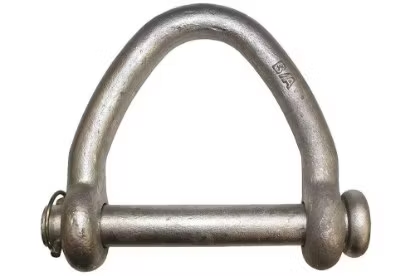
B/A Products Web Shackle
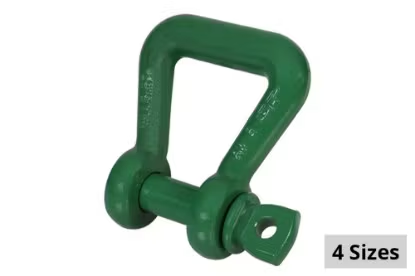
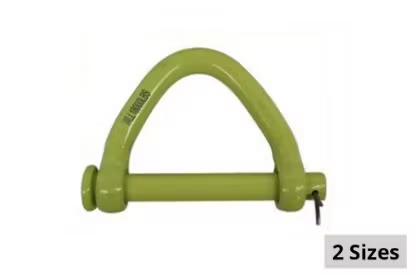
Green Pin Synthetic Web Sling Shackle with Screw Collar Pin
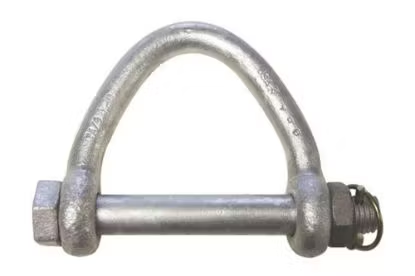
All-Grip Web Shackle Bolt Style
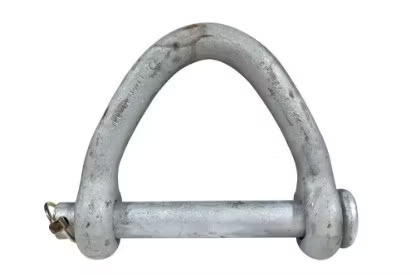
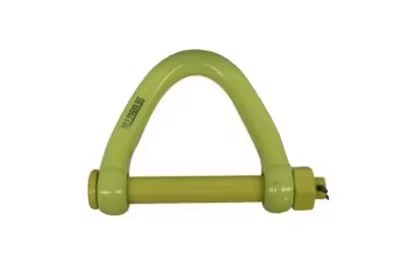
All-Grip Alloy Web Sling Shackle
Web Shackles Buying Guide
Welcome to Zip’s Web Shackles collection your trusted source for durable and reliable shackles designed specifically for synthetic web slings. Whether you're lifting heavy equipment, securing cargo, or rigging complex systems, selecting the right web sling shackle is crucial for safety and efficiency. Our selection includes top-quality shackles from renowned brands like B/A Products, Zip’s, All-Grip, and Green Pin, ensuring you have access to the best products in the industry.
What Are Web Shackles?
Web shackles, also known as web sling shackles or webbing shackles, are specialized connectors used to attach synthetic web slings to lifting points such as eyebolts, pad eyes, or other rigging hardware. These shackles are designed to protect the integrity of the web sling by providing a smooth, wide surface that minimizes wear and tear during lifting operations.
Available in various sizes and configurations, web shackles are compatible with different webbing widths, typically ranging from 1 inch to 6 inches. The choice of shackle depends on the specific requirements of your lifting application, including the working load limit (WLL), sling type, and environmental conditions.
Types of Web Shackles
Understanding the different types of web shackles is essential for selecting the right one for your application:
- Screw Pin Shackles: These shackles feature a threaded pin that screws into the shackle body, providing a secure connection. They are easy to install and remove, making them ideal for applications where frequent assembly and disassembly are required.
- Bolt-Type (Safety Pin) Shackles: Bolt-type shackles use a bolt and nut to secure the pin, offering a more secure connection than screw pin shackles. They are suitable for permanent installations and heavy-duty applications where maximum security is needed.
- Twist Lock Shackles: Twist lock shackles feature a locking mechanism that allows for quick and secure connections without the need for tools. They are designed for rapid deployment in dynamic environments.
Choosing the Right Web Shackle
Selecting the appropriate web shackle involves considering several factors:
- Sling Width Compatibility: Ensure the shackle is compatible with the width of your web sling. Common sizes include 1 inch, 1.5 inches, 2 inches, and up to 6 inches.
- Working Load Limit (WLL): Choose a shackle with a WLL that meets or exceeds the maximum load you intend to lift. It's essential to account for any potential dynamic loads that may occur during lifting operations.
- Material and Finish: Web shackles are typically made from alloy or carbon steel and may come with various finishes such as galvanized, painted, or powder-coated. The finish can affect the shackle's resistance to corrosion and wear.
- Pin Type: Consider the type of pin that best suits your application. Options include screw pin, bolt-type, and twist lock, each offering different levels of security and ease of use.
Top Brands and Products
At Zip’s, we offer a curated selection of web shackles from trusted manufacturers:
- B/A Products: Known for durable and reliable shackles suitable for various applications. Explore the B/A Products Web Shackle.
- Zip’s: Offers a range of shackles tailored to meet diverse customer needs. Check out the Zip’s Web Shackle.
- All-Grip: Specializes in shackles that combine strength with ease of use. Consider the All-Grip Alloy Web Sling Shackle.
- Green Pin: Provides shackles known for robust performance in demanding environments. The Green Pin Synthetic Web Sling Shackle with Screw Collar Pin is a notable option.
Learn More
For a deeper understanding of shackles and their applications, check out our blog post: Which Shackle is Right For You?
FAQ: Web Shackles
What is a web shackle used for?
Web shackles are used to connect synthetic web slings to lifting points, facilitating safe and efficient lifting operations.
How do I choose the right web shackle size?
Select a shackle that matches the width of your web sling and has a WLL that meets or exceeds your lifting requirements.
What materials are web shackles made from?
Web shackles are typically made from alloy or carbon steel and may come with various finishes such as galvanized, painted, or powder-coated.
Can I use a web shackle for side loading?
No. Web shackles are designed for in-line loading only. Side loading can compromise the shackle's integrity and reduce its WLL.


