

Replacement Fuel Tanks
Transfer diesel on the farm, transport gas to remote locations or resupply a customer stranded alongside the road with refueling tanks from Zip’s AW Direct. We sell high-capacity, baffled tanks designed to fit in the bed or between the frame rails of most light-duty pickups and service vehicles. Our transfer tanks meet federal requirements and include mounting hardware.
Refine Your Search
- Brand
-
-
-
-
-
-
- Clearance
-
- Vehicle Make
-
-
-
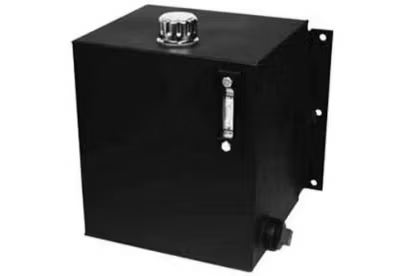
Buyers 15 Gallon Hydraulic Reservoir

Alumitank Inc. International Inventory Fuel Tank
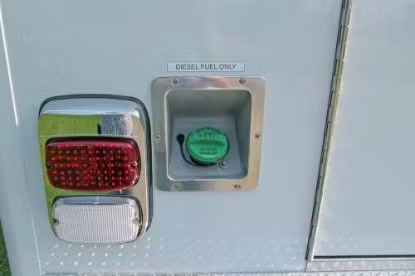
Zip's Roadside Service Body Cast Aluminum Fuel Fill Bracket
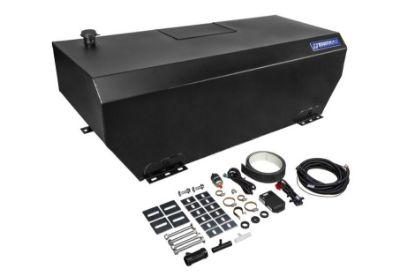
Transfer Flow 100 Gal In-Bed Auxiliary Fuel Tank System (Dodge/Ram, Ford, Gm/Chevy)
The 109-gallon refueling tank is made from 12-gauge ReliaSteel, high-yield U.S. aluminized steel, for superior durability and strength; and powder coated black for durable satin finish. As with all Transfer Flow fuel tank systems, this refueling tank comes complete with all parts needed for installation, down to the last zip tie.
- 2010-2021 Dodge/Ram, 2008-2022 Ford, 2010-2021 GM/Chevy
- 60.75"Lx26.75"Wx22.75"H
- Recommended for drivers with long or flat bed trucks who want maximum onboard fuel capacity in an attractive and durable aluminum tank system build for the long haul
- Won't interfere with standard 5th wheel hitch
- Robot-welded seams provide extraordinary strength, unlike rotationally molded plastic tanks or cheaper steel brands
- Our fuel tank systems include all components needed for installation
- TRAX 4 computer-controlled automatic fuel transfers for worry-free operation with exclusive AutoTrans? technology
- Built from ReliaSteel?, high-yield U.S. aluminized steel powder coated black for superior durability and strength
- Baffled to prevent fuel sloshing
- 6 year, unlimited mile warranty
- Made in the USA
- Optional upgrade: spray-on-textured coating
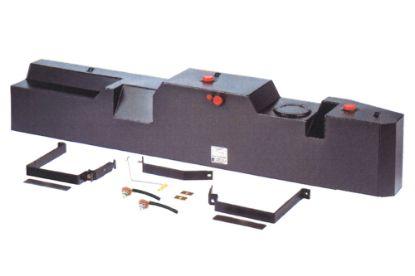
Transfer Flow Midship Diesel Tank 50 Gallon 108" and 120" C.A. Ram 4500 / 5500 '07 - '17

Transfer Flow TRAX 4 Install Hardware Kit

Transfer Flow 58 Gallon Ford Gas Midship Replacement Fuel Tank
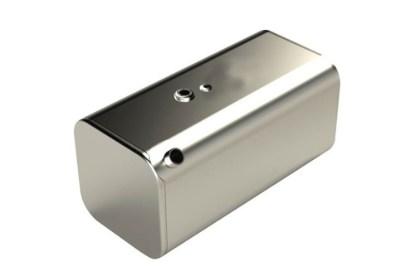
BESTfit Aluminum Rear Fill Passenger Side Freightliner M2 Fuel Tank 55 Gallon

Titan Fuel Tanks Ford Cab and Chassis 2026 to 2026 DEF Relocation Kit

Titan Fuel Tanks Complete LB7 Kit

Titan Fuel Tanks FORD Multi-Model PS-191 Sending Unit Adaption Kit
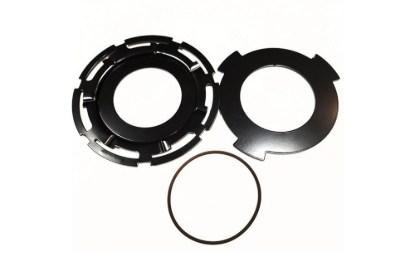
Titan Fuel Tanks GM LB7 GEN6 Sending Unit Adaption Kit
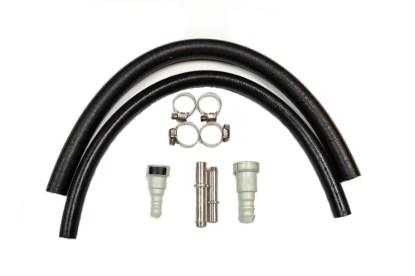
Titan Fuel Tanks FORD 2008 to 2010 Fuel Line Extension Kit

Titan Fuel Tanks Tech DTE Programmer for 2023-2026 Ford 65 Gallon Replacement Tank for 7020317 Tank Only

Titan Fuel Tanks Tech DTE Programmer for 2017-2022 Ford 65 Gallon Replacement Tank for 7020317 Tank Only

Titan Fuel Tanks Tech DTE Programmer for 2023-2026 Ford 55 Gallon Replacement Tank for 7020217 Tank Only

Titan Fuel Tanks Tech DTE Programmer for 2017-2022 Ford 55 Gallon Replacement Tank for 7020217 Tank Only

Titan Fuel Tanks Tech DTE Programmer for 2011 to 2016 Ford 65 Gallon Replacement Tank for 7020311 Tank Only

Titan Fuel Tanks Tech DTE Programmer for 2011 to 2016 Ford 50 Gallon Replacement Tank for 7020211 Tank Only

Titan Fuel Tanks Tech DTE Programmer for 2011 to 2016 Ford 60 Gallon Replacement Tank for 7021211 Tank Only
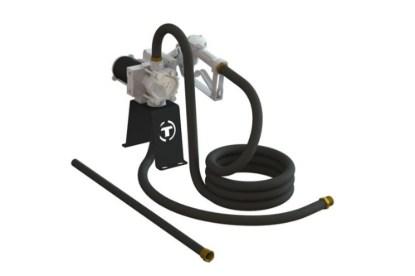
Titan Fuel Tanks Gen 7 In-Bed Transfer Pump System

Titan Fuel Tanks Gen 7 Universal Pickup Tube
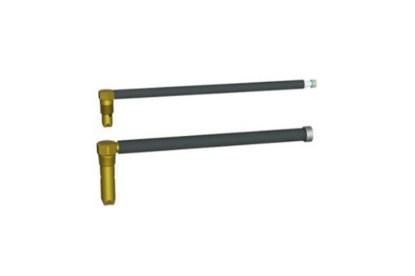
Titan Fuel Tanks Gen 7 Fast Fill Vent Kit
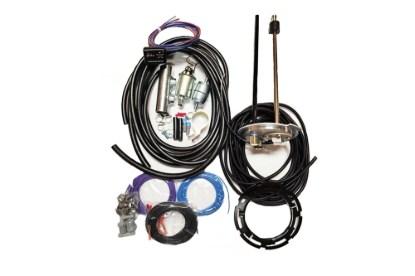
Titan Fuel Tanks Dodge/RAM Cab & Chassis Auxiliary Conversion Kit
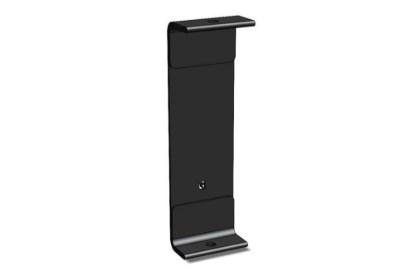
Titan Fuel Tanks Dodge/RAM 108 CA 50 Gallon Tank Adaption Bracket
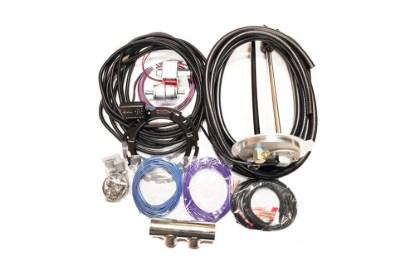
Titan Fuel Tanks Ford Cab and Chassis Auxiliary Conversion Kit

Titan Fuel Tanks Cab and Chassis Universal Filler Neck Kit
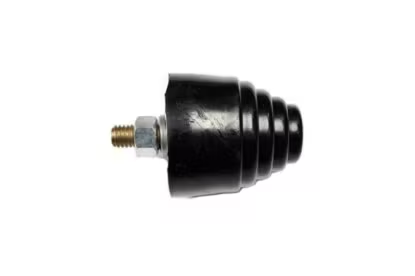
Titan Fuel Tanks FORD F450 Long Bed Tank Adaption Kit
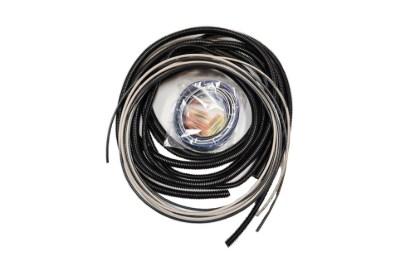
Titan Fuel Tanks Ford Sending Unit Electrical Harness Extension Kit
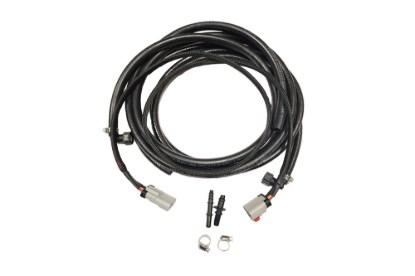
Titan Fuel Tanks Ram Cab & Chassis After-Axle Delete Extension Kit
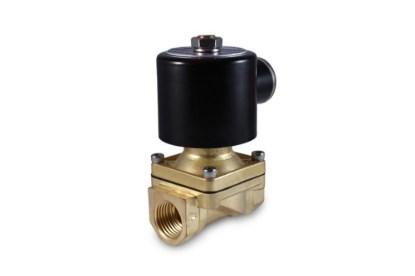
Titan Fuel Tanks Gravity Feed Solenoid Kit
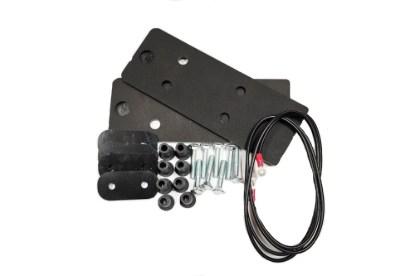
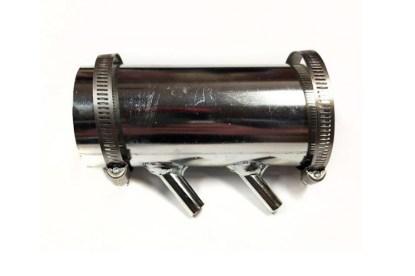
Titan Fuel Tanks LB7 Auxiliary Tank Breather Kit

Titan Fuel Tanks Locking Black Fuel Cap
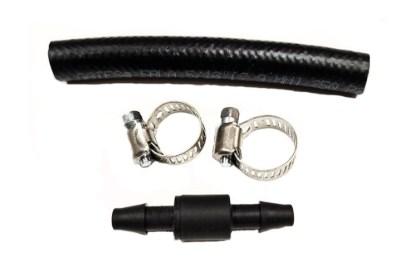
Titan Fuel Tanks Ram EcoDiesel Breather
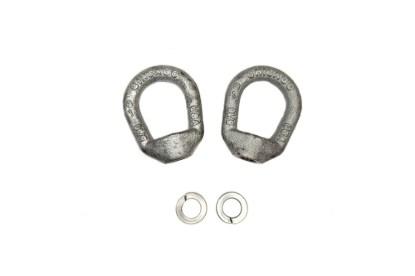
Titan Fuel Tanks Tie Down Kit, Including Steel Eye Nuts
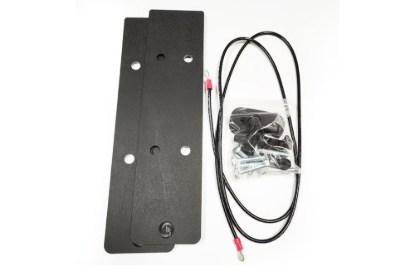

Titan Fuel Tanks 90 Gallon In-Bed Transfer Tank
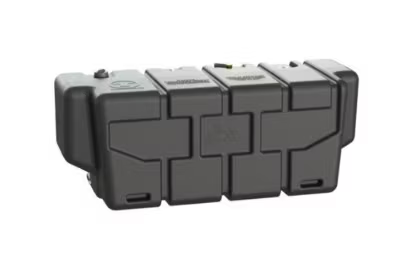
Titan Fuel Tanks 100 Gallon In-Bed Transfer Tank
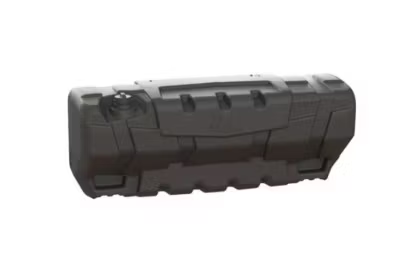
Titan Fuel Tanks Travel Trekker 40 Gallon Auxiliary Fuel System

Titan Fuel Tanks Travel Trekker 50 Gallon Auxiliary Fuel System Diesel Only
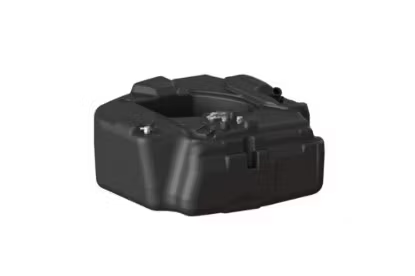
Titan Fuel Tanks 2013 to 2021 Dodge RAM TITAN Spare Tire Auxiliary Fuel System Diesel ONLY
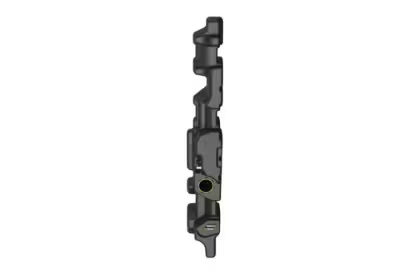
Titan Fuel Tanks 2007 to 2025 Dodge RAM Cab and Chassis 50 Gallon Replacement Tank 120'' Chassis
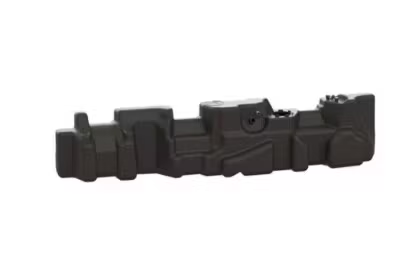
Titan Fuel Tanks 2007 to 2025 Dodge RAM Cab and Chassis 50 Gallon Replacement Tank 84'' and 108'' Chassis
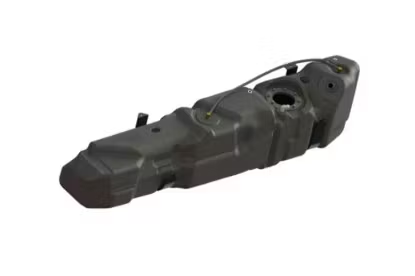
Titan Fuel Tanks 2013 to 2024 Dodge RAM Mid-ship Crew Cab Long Bed Cummins Diesel Fuel Tank GEN 7
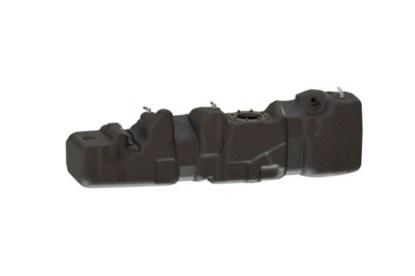
Titan Fuel Tanks 2014 to 2019 Dodge RAM 1500 Crew Cab 6' 4" Bed EcoDiesel
Titan Fuel Tanks 2018 to 2021 FORD F150 Crew Cab 6'.5" Bed Power Stroke Diesel Fuel Tank
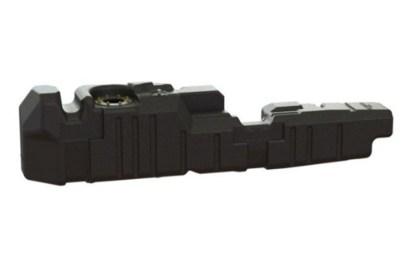
Titan Fuel Tanks 2011 to 2016 GM Crew Cab Short Bed Duramax Diesel Fuel Tank
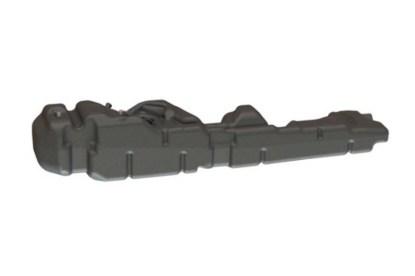
Titan Fuel Tanks 2016 to 2022 Chevrolet Colorado/GMC Canyon Duramax Diesel Fuel Tank
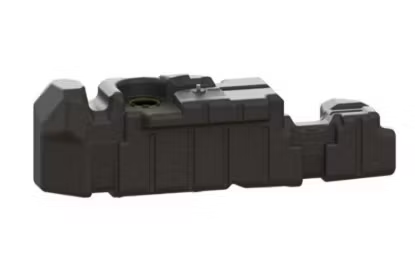
Titan Fuel Tanks 2017 to 2019 GM Crew Cab Short Bed Duramax Diesel Fuel Tank
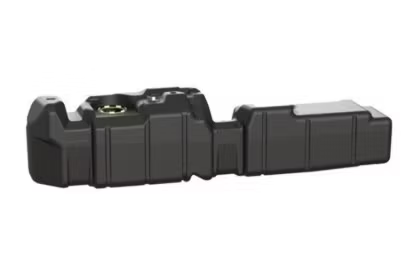
Titan Fuel Tanks 2017 to 2019 GM 2500 & 3500 Crew Cab Long Bed Duramax Diesel Fuel Tank 4x4 Only
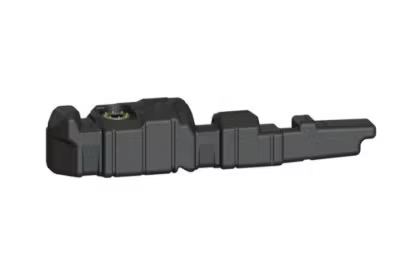
Titan Fuel Tanks 2011 to 2016 GM Crew Cab & Extended Cab Long Bed Duramax Diesel Fuel Tank
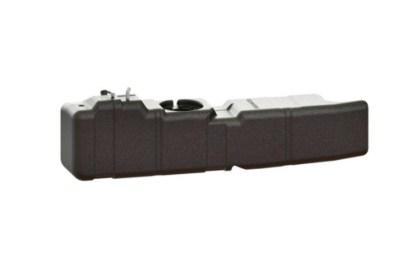
Titan Fuel Tanks 2011 to 2016 Ford Crew Cab Short Bed Power Stroke Diesel Fuel Tank
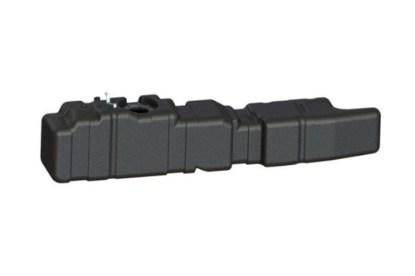
Titan Fuel Tanks 2011 to 2016 Ford Crew Cab Long Bed Power Stroke Diesel Fuel Tank
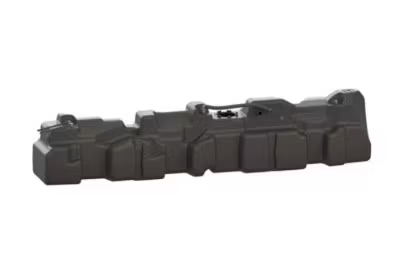
Titan Fuel Tanks 2017 to 2024 Ford Cab and Chassis 54 Gallon Replacement Tank 108in Chassis
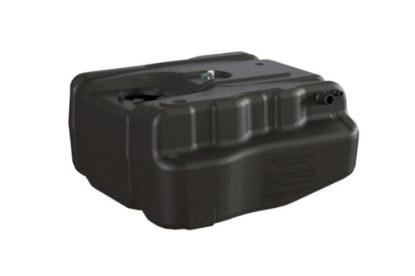
Titan Fuel Tanks 2017 to 2022 Ford F350, F450, F550 After Axle Auxiliary Fuel Tank System
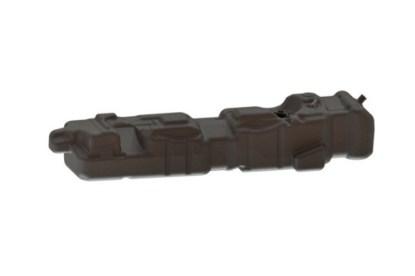
Titan Fuel Tanks 2018 to 2021 FORD F150 Crew Cab 6'.5" Bed Power Stroke Diesel Fuel Tank
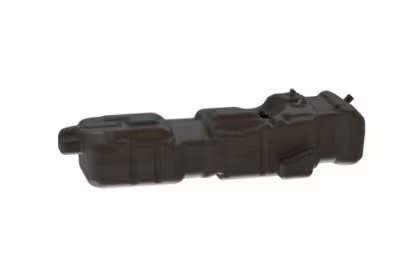
Titan Fuel Tanks 2018 to 2021 FORD F150 Crew Cab 5 ½ ft Bed Power Stroke Diesel Fuel Tank
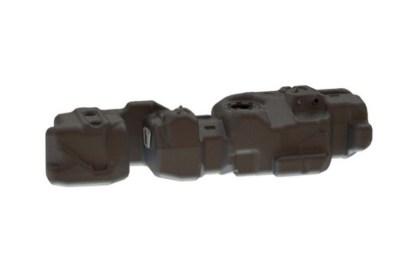
Titan Fuel Tanks 2017 to 2026 Ford Super Cab Long Bed Power Stroke Diesel Fuel Tank
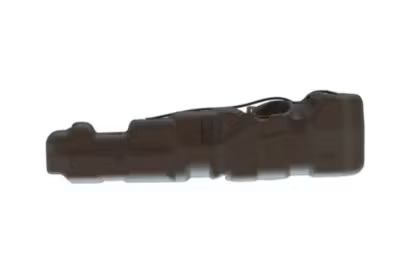
Titan Fuel Tanks 2025 to 2026 Dodge RAM Mega Cab Short Bed Cummins Diesel XXL GEN 7 Fuel Tank
Replacement Fuel Tanks: Reliable Fuel Storage and Performance for Work Trucks
Whether you’re maintaining a commercial fleet, upgrading your service truck, or replacing a worn-out OEM tank, replacement fuel tanks are an essential investment in safety, capacity, and performance. At Zips.com, we carry a wide selection of diesel and gasoline fuel tanks for work trucks, tow trucks, and utility vehicles from top manufacturers like Buyers Products Co., Transfer Flow, and Goodall Mfg.
Each replacement fuel tank in our catalog is engineered for durability and built to meet or exceed OEM specifications, giving you reliable performance in the most demanding conditions.
Why Upgrade or Replace Your Truck’s Fuel Tank?
Your fuel tank is the heart of your truck’s range and reliability. Over time, corrosion, impact damage, or internal contamination can compromise performance or fuel safety. Replacing or upgrading your tank ensures dependable operation and helps avoid costly downtime.
Common reasons to install a new truck fuel tank include:
- Corrosion or leaks caused by rust or exposure to moisture.
- Increased capacity for long-distance hauling or remote job sites.
- Auxiliary fuel needs to power additional equipment or vehicles.
- Refueling convenience with in-bed or transfer tank systems.
Whether you’re running a flatbed, service body, or pickup, a properly sized replacement fuel tank keeps your operation efficient and compliant.
Trusted Brands for Replacement Fuel Tanks
Zips.com partners with leading fuel system manufacturers known for engineering quality and fitment accuracy across commercial and light-duty vehicles:
- Buyers Products Co. – Offers tough, corrosion-resistant hydraulic reservoirs and auxiliary fuel tanks ideal for heavy-duty truck applications.
- Transfer Flow – A leader in DOT-compliant refueling and auxiliary tank systems designed for seamless in-bed installation and extended range.
- Goodall Mfg. – Known for durable, professional-grade fuel and fluid management products for fleets and mobile service trucks.
Best-Selling Replacement Fuel Tanks
- Buyers 15 Gallon Hydraulic Reservoir – Compact yet rugged, this 15-gallon steel reservoir is ideal for powering hydraulic systems and managing fluid needs in service vehicles.
- Alumitank Inc. International Inventory Fuel Tank – A precision-engineered aluminum fuel tank designed to fit International trucks, offering OEM-level fit and long-lasting corrosion resistance.
- Transfer Flow 40 Gallon Refueling Tank System – A DOT-approved refueling system for diesel trucks, ideal for operators needing to refuel vehicles or equipment on-site.
- Transfer Flow 100 Gal In-Bed Auxiliary Fuel Tank System – The ultimate solution for extending range and uptime, this in-bed auxiliary fuel tank integrates seamlessly with your truck’s existing system.
Choosing the Right Replacement Fuel Tank
Selecting the correct replacement fuel tank depends on your vehicle type, fuel system, and operational demands. Here are key factors to consider before purchasing:
- Tank Type: Choose between refueling tanks, auxiliary tanks, or direct replacement tanks depending on your needs.
- Capacity: Match your tank size to the truck’s usage — smaller capacities for local routes, larger ones for long-distance or off-grid work.
- Material: Aluminum fuel tanks offer corrosion resistance and lightweight performance, while steel fuel tanks provide maximum durability.
- Compliance: Look for DOT-approved or EPA-compliant fuel tanks for safe transport and on-road use.
- Fitment: Verify compatibility with your make, model, and body style before installation.
By choosing high-quality replacement tanks from trusted brands, you’ll maintain safe fuel delivery and extend your truck’s lifespan.
Maintenance and Installation Tips
Proper installation and maintenance are key to long-term fuel tank reliability. Always inspect mounting straps, gaskets, and fittings for wear before replacement. After installation, perform regular checks for leaks or corrosion and drain water or sediment buildup when applicable. For complex auxiliary systems, professional installation is recommended to ensure regulatory compliance and fuel system integration.
FAQ: Replacement Fuel Tanks
What’s the difference between a replacement and auxiliary fuel tank?
A replacement fuel tank directly replaces the OEM tank on your truck, while an auxiliary fuel tank supplements your primary system to extend driving range or provide refueling capability.
Are aluminum fuel tanks better than steel?
Aluminum tanks resist corrosion and are lighter, making them ideal for long-term use, while steel tanks offer superior strength and impact resistance for rugged environments.
Do I need a DOT-approved fuel tank?
Yes, DOT-approved tanks are required for refueling and transport applications to ensure safety and compliance on public roads.
Can I install an auxiliary tank myself?
Many in-bed auxiliary tanks, like the Transfer Flow 100 Gal In-Bed Auxiliary Fuel Tank System, include installation kits, but professional installation is recommended for optimal safety and integration.
How do I know if my tank is failing?
Signs of fuel tank failure include visible leaks, rust, loss of pressure, or fuel contamination. If you experience these symptoms, replace the tank immediately to prevent operational issues or fire hazards.


