

Winch Cables
Find a wide selection of durable winch lines, hooks, and hardware designed for towing, recovery, off-road applications, and industrial lifting. We carry a variety of sizes, lengths, and brands to fit a wide range of uses and needs. Shop synthetic and steel winch lines, rigging accessories, and replacement parts to keep your winch operating safely and efficiently.
Refine Your Search
Clear all filters- Cable Size
-
-
-
-
-
-
-
-
-
- Brand
-
-
-
-
-
-
-
-
-
-
-
- Cable Hook Style
-
- Color
-
-
-
-
-
-
-
- Cable Length
-
-
-
-
-
-
-
-
-
-
-
-
-
-
-
-
-
-
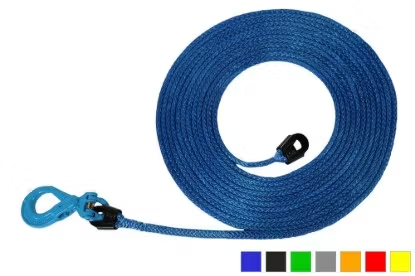
Samson AmSteel-Blue Heavy Duty Synthetic Rope Extensions with Self-Locking Hook and Thimble
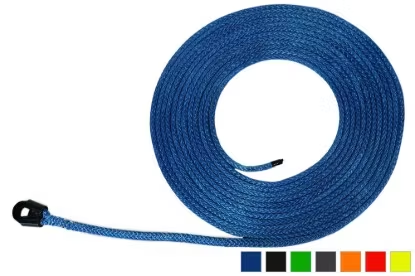
Samson AmSteel-Blue Synthetic Winch Lines with Closed Thimble
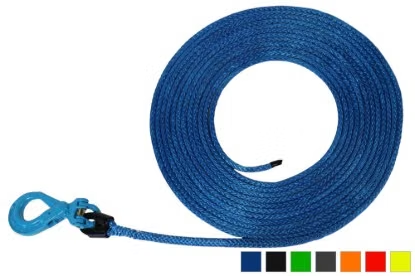
Samson AmSteel-Blue Synthetic Winch Lines with Self-Locking Hook
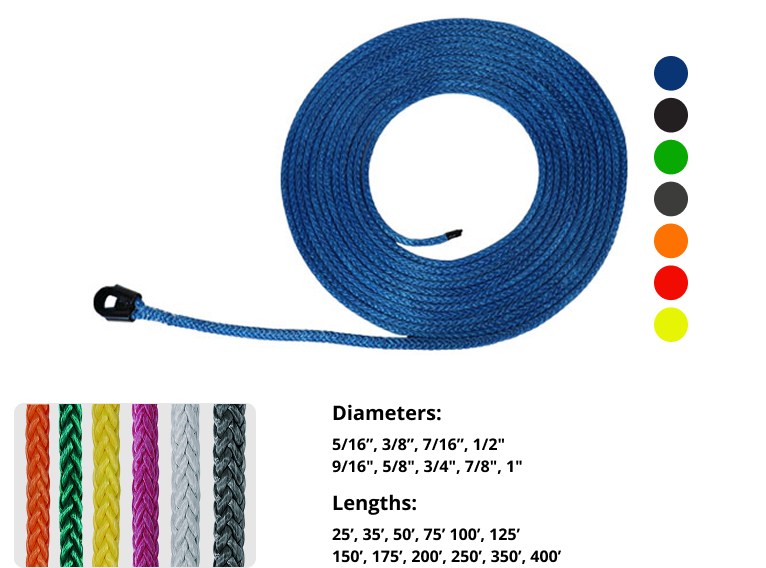
Size for size, AmSteel-Blue synthetic rope offers the same strength as steel wire winch line but without the weight and fraying. These 12-strand, single braid winch lines offer maximum strength-to-weight ratio and can be color-coordinated to match your equipment. This synthetic rope holds no memory and falls limp when severed, eliminating uncontrolled recoil and improving safety for the winch operator. Choose from nine diameters and lengths up to 400 feet below. Scroll down for detailed product benefits as well.
See the link for installation instructions and a more in-depth look into the benefits of AmSteel Blue Synthetic Rope...
Learn more
by clicking here
Product Highlights
Same strength, less weight
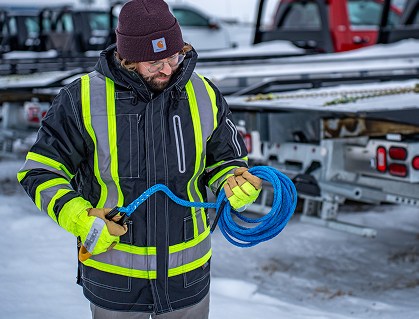
Compared to its steel counterpart, lighter winch rope means faster deployment, less operator fatigue during line handling and less overall weight added to the truck, especially valuable on units equipped with multiple winches.
Easier Line Handling and Rigging
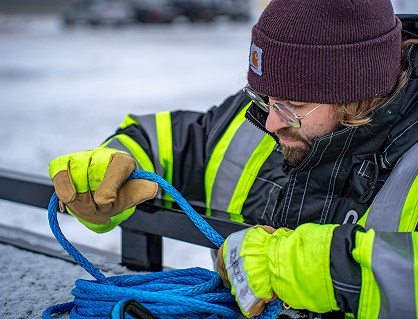
AmSteel winch line is flexible and easy to manage during setup and rerigging. It feeds and positions more smoothly than wire rope, which helps when working in tight clearances, changing pull direction or cycling through multiple calls.
Extremely Low Stretch
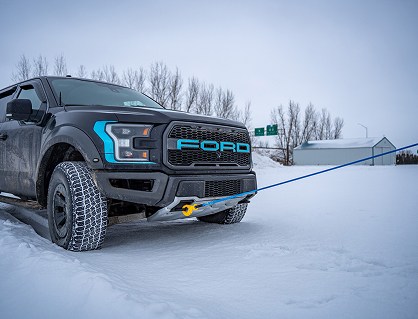
With very limited elongation, about 1 percent at full WLL based on a 4:1 design factor, the AmSteel Winch Line supports controlled, predictable winching. Low stretch directs even, consistent strength at the object being pulled.
Torque-Free, 12-Strand Construction
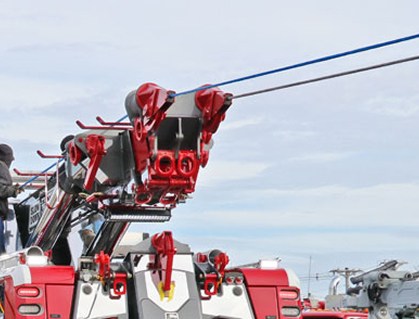
The 12-strand, single-braid design is torque-free, which helps reduce line twist during operation. This supports cleaner spooling and easier rigging without relying on swivel hardware to manage rotation.
Built for High-Cycle Winching
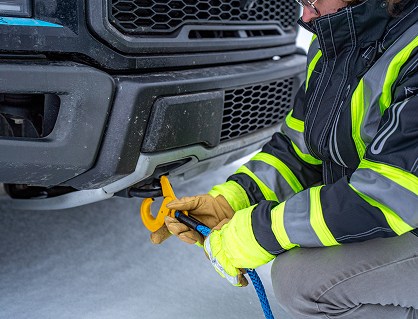
Designed for frequent use, synthetic rope offers strong abrasion resistance, excellent wear characteristics and high flex fatigue performance. It is built to hold up through repeated spooling and daily job-to-job pulls.
Lightweight Enough to Float
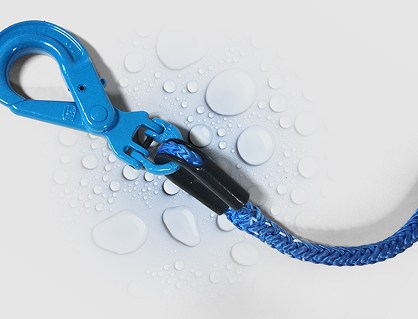
Compared to steel cable, AmSteel winch line is significantly lighter, which is exactly why it floats. That gives operators better line visibility and easier handling in wet, muddy, or water-adjacent recoveries where line management can be a challenge.
Faster Visual Inspections
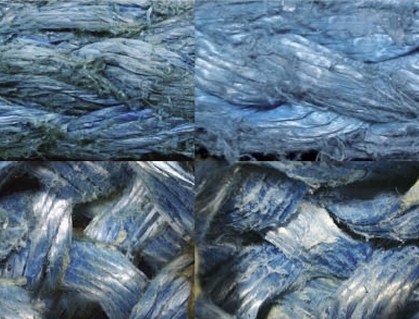
The AmSteel Winch Line is easier to visually inspect for damage or wear than steel cable, helping operators perform quicker pre- and post-job checks and stay ahead of maintenance.
Specifications
| Dimeter | Circ. | Weight per 100 ft. | Avg. Strength | Min. Strength |
|---|---|---|---|---|
| 5-16" | 1" | 2.7 lbs. | 13,700 lbs. | 12,300 lbs. |
| 3/8" | 1-1/8" | 3.4 lbs. | 19,600 lbs. | 17,600 lbs. |
| 7/16" | 1-1/4" | 4.5 lbs. | 23,900 lbs. | 21,500 lbs. |
| 1/2" | 1-1/2" | 5.9 lbs. | 34,000 lbs. | 30,600 lbs. |
| 9/16" | 1-3/4" | 7.9 lbs. | 40,500 lbs. | 36,500 lbs. |
| 5/8" | 2" | 10.2 lbs. | 52,800 lbs. | 47,500 lbs. |
| 3/4" | 2-1/4" | 13.3 lbs. | 64,400 lbs. | 58,000 lbs. |
| 7/8" | 2-3/4" | 19.6 lbs. | 90,800 lbs. | 81,700 lbs. |
| 1" | 3" | 21.8 lbs. | 109,000 lbs. | 98,100 lbs. |
Winch Cables: Choosing the Right Line for Your Tow Truck or Trailer
When it comes to towing and recovery, the winch line you choose is just as important as the winch itself. Whether you’re equipping a heavy-duty tow truck, outfitting a trailer, or replacing a worn line, finding the best winch cable ensures reliable pulling power and safety on every job. From traditional steel winch cables to modern synthetic ropes, this guide will help you navigate the options and select the right replacement winch line for your needs.
Types of Winch Cables
Winch lines generally fall into two main categories: wire rope cables and synthetic winch ropes.
- Wire Rope Cables – Known for their durability and resistance to abrasion, steel cables have long been the industry standard. They’re well-suited for rugged environments and heavy-duty recovery jobs, but they require careful handling and regular inspection.
- Synthetic Winch Lines – Lightweight, flexible, and easier to handle, synthetic ropes have gained popularity in recent years. They’re safer to use under load because they don’t store as much kinetic energy as steel, but they do require protection against sharp edges and UV exposure.
Lengths can range from 25 feet up to 400 feet, and sizes vary between 5/16-inch and 7/8-inch. The working load limit depends on both length and diameter, so always confirm capacity before making a purchase.
For a deeper comparison, check out our blog: Types of Winch Lines: Synthetic vs. Steel.
Top Brands in Winch Cables
At Zip’s, we stock winch cables and ropes from trusted brands that towing professionals rely on every day, including:
- B/A Products – A leader in towing and recovery equipment, offering both synthetic and steel options.
- Zip’s – High-quality lines designed to meet industry standards for strength and safety.
- AW Direct – Known for durable replacement winch cables and accessories.
- Rimsling – Specializing in lightweight, high-performance synthetic ropes.
- AmSteel Blue – Engineered with advanced synthetic fibers for superior strength-to-weight ratio.
- All-Grip – Offering a wide range of winch lines and attachments for professional use.
Winch Cable Attachments and Accessories
A winch cable is only as good as its connection point. Common end fittings include swivel hooks, self-locking hooks, and clevis grab hooks, allowing you to match the attachment to your recovery application. Explore our full line of Winch Cable Accessories to ensure you have the right hardware for secure and efficient operation.
Choosing the Best Winch Line
When selecting a replacement winch cable, consider:
- Capacity requirements – Match the line to your winch’s rated load and vehicle type.
- Environment – Choose steel for abrasive or high-heat conditions, or synthetic for easier handling and increased safety.
- Length and size – Longer lines give you more reach, but thickness determines load rating.
- Maintenance – Regular inspection, cleaning, and storage extend the life of your line.
For more guidance, visit our blog: Choosing & Caring for Winch Lines.
FAQ: Winch Cables
What’s the difference between a winch cable and a winch rope?
The terms are often used interchangeably, but “winch cable” usually refers to steel wire rope, while “winch rope” typically refers to synthetic lines.
How do I know when to replace my winch line?
Replace your line if you see fraying, kinks, broken strands, flat spots, or UV damage in synthetic fibers.
Which is better: synthetic or steel winch lines?
It depends on the application. Steel is more durable in rugged conditions, while synthetic is lighter, easier to handle, and safer under load.
Can I change the length of my winch cable?
Yes, but you’ll need to make sure the winch drum can accommodate the new size and that the line’s capacity matches your winch rating.


